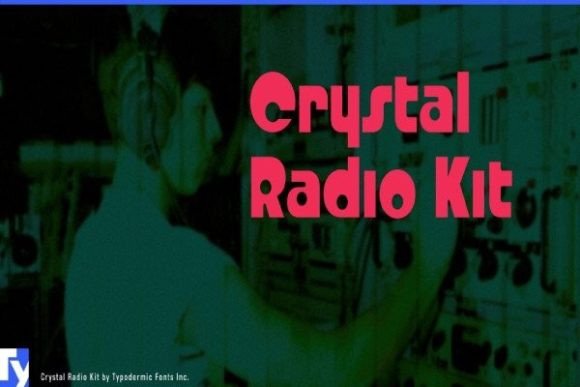
Crystal Radio Kit: A Bold Nod to Vintage Display Typography
Certain design assets do more than just display text; they evoke a feeling. The Crystal Radio Kit typeface is one of those rare finds, drawing its inspiration directly from the bold, unmistakable lettering of the classic Radio Shack logo. It’s a premium font that doesn't just sit on a page—it makes a statement. For designers, entrepreneurs, and creators, understanding a typeface like this means looking beyond its curves and considering the story it tells. It’s a story of innovation, retro charm, and a certain golden-era confidence that can elevate a project from ordinary to memorable.
At its heart, Crystal Radio Kit is a display font built for impact. Its most defining feature is the dynamic, curvy construction of its letterforms. Each character feels like it has a bit of motion, with sweeping lines and a bold, consistent weight that commands attention. It’s not a quiet, neutral sans serif font for body copy, nor is it a delicate script font. Instead, it occupies a specific niche: the retro-futuristic display category. The personality is confident, playful, and slightly technical, reminiscent of an era when technology felt both hopeful and tangible. This makes it an ideal creative font for projects needing a dose of authentic vintage appeal without feeling dated.
Where This Typeface Truly Shines
The real-world value of a font like Crystal Radio Kit is best measured by its application. Its bold, high-contrast style makes it a natural fit for logo design, where it can form the core of a brand's visual identity for a craft brewery, a retro-themed podcast, a tech startup with a nostalgic angle, or a boutique electronics brand. The font’s inherent character helps with immediate recognition, a cornerstone of effective branding. In packaging design, it can make a product leap off the shelf, whether it’s for artisanal goods, specialty coffee, or any product that wants to convey a handcrafted yet professional vibe.
Beyond physical products, this typeface translates well into digital realms. It’s a powerful tool for web design headers, hero sections, and call-to-action buttons where you need to grab a visitor’s attention in seconds. For social media graphics, it can cut through the noise, making quotes, announcements, and promotional posts instantly more engaging. In editorial design, it serves as a striking headline font for magazine covers, chapter headings in books, or feature titles in a blog, especially for publications covering design, technology, or culture. Even for personal projects—like creating custom t-shirts, posters for a home studio, or graphics for a hobbyist club—Crystal Radio Kit injects a professional and distinctive flair.
Making It Work: Practical Guidance for Your Projects
Choosing any commercial font requires more than just liking how it looks. The first step is evaluating project fit. Ask yourself: Does the mood of my project align with the font's personality? Crystal Radio Kit’s bold, retro feel might clash with a project requiring minimalist sophistication, but it would be perfect for something energetic and distinctive. Before committing, always test it within your actual design mockups. See how it interacts with your color palette, imagery, and other design elements.
A critical consideration is font pairing. A display font of this weight and style rarely works alone. It needs a supporting cast. For body text, pair it with a highly readable, neutral serif font or a clean sans serif. Think of fonts like Open Sans, Lora, or Source Serif Pro as potential partners. The goal is contrast and hierarchy: let Crystal Radio Kit own the headlines and subheads, while the secondary font handles the longer paragraphs. This creates a balanced and professional visual hierarchy, guiding the reader's eye naturally through your content.
When you acquire the font, review the included styles and character sets. A well-crafted premium font often comes with multiple weights, stylistic alternates, and extended language support. These extras can significantly increase its versatility, allowing you to fine-tune the look for different applications. For instance, you might use a slightly lighter weight for a subheading or an alternate 'a' or 'g' to better suit your layout. Finally, always verify the licensing. Ensure the license covers your intended use, whether it's for a single client project, unlimited commercial work, or embedding in a digital product like an app or e-book. Proper licensing is a non-negotiable part of using any design asset professionally.
In a landscape saturated with generic typefaces, the Crystal Radio Kit font stands out by offering a specific, well-executed vision. It’s a tool for modern typography that respects the past while serving contemporary needs. By understanding its strengths and applying it thoughtfully, you can leverage its unique character to build stronger brand identity, create more engaging marketing materials, and give any project a distinct, professional edge that resonates with your audience.