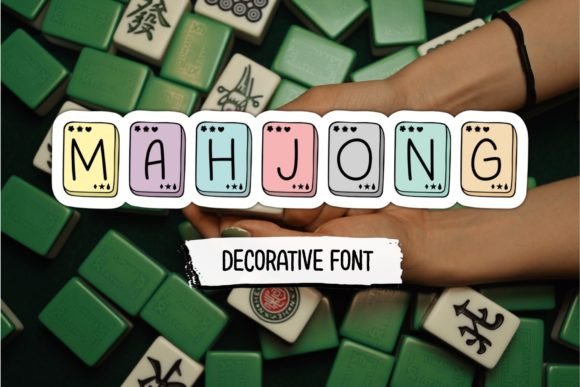
Mahjong: A Display Font Blending Eastern Art and Modern Style
There is a distinct moment in a design project where you realize the typography is doing more than just holding space—it is telling a story. This is the sweet spot where the Mahjong font resides. It is not merely a collection of letters; it is a visual statement that bridges the gap between traditional artistry and contemporary digital design. For creators ranging from brand strategists to DIY enthusiasts, finding a typeface that commands attention without overwhelming the layout is the holy grail of design assets. Mahjong offers a solution that feels both culturally rich and stylistically current, making it a versatile tool in the modern designer’s kit.
Deconstructing the Visual Identity of Mahjong
When you first look at Mahjong, the immediate impression is one of deliberate craftsmanship. As a display font, it is engineered to be the focal point of a headline or logo, rather than a tool for body copy. The visual characteristics of Mahjong draw inspiration from the aesthetics of the classic tile game, yet they are refined through the lens of modern typography. You will notice the interplay of sharp, clean edges with unexpected curves that mimic the strokes of a brush but with the precision of digital vector art.
The personality of this typeface is bold and authoritative, yet it retains an artistic flair that prevents it from feeling too rigid. It does not scream for attention in a chaotic way; rather, it holds the gaze through its structural integrity. The letterforms often feature unique ligatures or stylistic alternates that allow for customization. This gives the creative font a dynamic quality—two different designers can use Mahjong and arrive at completely different results depending on which stylistic sets they employ. It is this inherent flexibility that makes it a premium font choice for those who want to inject personality into their work without resorting to generic scripts.
Strategic Applications: From Branding to Social Media
Understanding where Mahjong fits into the creative ecosystem requires a look at the specific needs of various media. Because it is a display font, its strength lies in high-impact scenarios where brevity and visual punch are paramount.
In the realm of logo design, Mahjong shines. A logo needs to be memorable, scalable, and distinct. The structural weight of Mahjong ensures that it remains legible even when scaled down to a favicon or a social media profile picture. However, it is in the larger iterations—on a storefront sign or a website header—where the intricate details of the typeface truly come alive. It conveys a sense of establishment and creativity simultaneously, making it suitable for brands in the lifestyle, tech, or creative industries.
For social media graphics, the digital landscape is crowded. Users scroll quickly, and a post has only a fraction of a second to make an impression. Mahjong acts as a visual anchor. It works exceptionally well for Instagram stories, YouTube thumbnails, or Pinterest pins where the text needs to overlay an image. Its strong silhouette cuts through background noise, ensuring the message is read. Content creators and marketers can leverage this font to build a consistent aesthetic that followers recognize instantly, aiding in brand recall.
Furthermore, the font has a strong place in packaging design. Whether it is a label for a craft beverage, a box for artisanal goods, or merchandise for a band, packaging relies on tactile appeal. Mahjong provides the "shelf appeal" necessary to compete in a physical retail environment. It suggests quality and intentionality, elevating a product from a mere commodity to a curated experience.
The Mechanics of Readability and Hierarchy
While aesthetics are crucial, the functional aspect of a font cannot be ignored. Readability is the metric by which a typeface proves its worth. Mahjong is designed for impact, which means it excels at large point sizes. It creates a strong visual hierarchy, instantly telling the viewer, "Look here first." By using Mahjong for headers and sub-headers, you create a clear roadmap for the eye, guiding the reader from the main attraction to the supporting details.
However, because of its decorative nature, Mahjong is not intended for long-form reading. Using it for paragraphs would strain the eye and dilute its impact. This is where the concept of font pairing becomes essential. To maintain a professional layout, Mahjong should be paired with a neutral, highly legible companion font. A clean sans serif font or a classic serif font works best. The contrast between the ornamental nature of Mahjong and the simplicity of a sans serif creates a balanced composition that feels both sophisticated and accessible.
Practical Integration: How to Choose and Use Mahjong
Adopting a new font into your workflow is more than just a download; it is a commitment to a specific visual language. Before fully integrating Mahjong into a brand identity or major project, it is prudent to evaluate its fit through a practical testing phase.
First, consider the tone of your project. Does the narrative call for a modern, edgy vibe, or does it require something traditional? Mahjong leans towards a fusion of these, making it ideal for brands that want to appear rooted in tradition but forward-thinking in execution. If your brand voice is playful and whimsical, you might need to test how Mahjong’s structural weight supports that personality.
Second, review the included styles and glyphs. A commercial font like Mahjong often comes with more than just the standard alphabet. Look for swashes, alternates, and multilingual support. These extras can be the difference between a standard layout and a bespoke design. For example, using a stylistic alternate for a capital letter in a logo can create a custom wordmark that feels exclusive to your brand.
Third, conduct a pairing test. Create a mock-up of your key materials—a business card, a mobile landing page, and an Instagram post. Set the headline in Mahjong and the body text in your chosen secondary font. Observe the interplay. Does the display font overshadow the body text, or do they work in harmony? The goal is to ensure that the typeface enhances the message rather than competing with it.
Finally, verify the licensing. Since you are likely a professional—be it a designer, entrepreneur, or publisher—you need to ensure the font license covers your specific use cases. Whether it is for digital goods, print-on-demand merchandise, or client work, confirming that you have the correct commercial font license protects you legally and supports the typographers who create these design assets.
Mahjong in the Wild: Real-World Scenarios
To visualize the practical application, imagine a boutique hotel rebranding. They want to evoke a sense of mystery and luxury. Using Mahjong for the "Welcome" signage and the room numbers creates an immediate atmosphere. Paired with a light, airy sans serif for the menu text, the typography tells a story of modern luxury.
Alternatively, consider a blogger or content creator in the fashion niche. They might use Mahjong for their weekly "Sunday Edit" newsletter header. The font’s distinct look becomes a signature element that subscribers recognize in their crowded inboxes, increasing open rates through visual consistency.
For crafters and hobbyists, the application is just as valid. If you are designing a stencil for wood signs or creating heat-transfer vinyl designs for tote bags, Mahjong provides the necessary "cutability." Its distinct shapes translate well into physical craft projects, allowing for professional-looking results even in a home studio environment.
Final Thoughts on Typography Selection
Choosing a typeface is a subjective process, but it should also be a strategic one. Mahjong is not just a creative font; it is a tool for visual communication. It allows marketers to cut through the noise, helps designers build unique brand worlds, and empowers small business owners to present themselves with confidence. By focusing on the practical applications—from web design to editorial design—and respecting the principles of readability and pairing, you can unlock the full potential of this premium font. It stands as a testament to how thoughtful typography can elevate a project from the ordinary to the extraordinary.