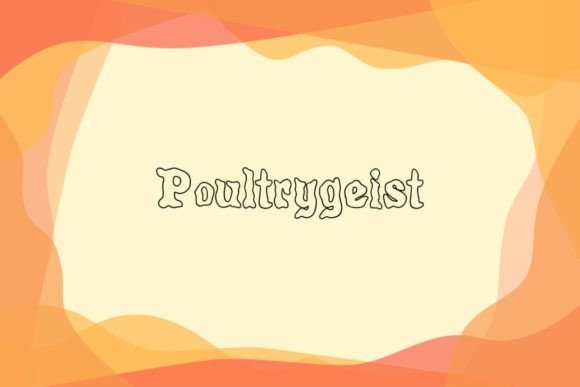
Poultrygeist: A Display Font with a Spooky Twist
When you’re working on a project that needs to make a statement, the right display font can be the difference between blending in and being remembered. Poultrygeist, a creative font from Apostrophic Labs, is designed specifically for that purpose. It’s a typeface with a distinct personality—part spooky, part curvy, and entirely designed to capture attention. This isn't a font for body text or lengthy paragraphs. Instead, it’s a specialized tool for headlines, logos, and branding elements where character and impact are the primary goals.
Understanding the Visual Style of Poultrygeist
At its core, Poultrygeist is a premium font that leans into a playful, eerie aesthetic. Its defining features are the curvy, irregular letterforms that give it a hand-drawn, almost organic quality. The lines aren't perfectly straight or uniform, which contributes to its spooky yet approachable vibe. Think of it as a serif font with a personality disorder—the serifs are there, but they’re softened and exaggerated, creating a rhythm that feels both familiar and unsettling. This makes it an excellent choice for projects that need a touch of whimsy or a hint of the supernatural without being overly aggressive or illegible.
The font comes in two styles, which adds versatility to its application. You can use the standard weight for a solid, readable headline, or opt for an alternate style to introduce more visual variation. This duality allows designers to maintain a cohesive brand identity while experimenting with different moods within the same typographic family. For a small business owner crafting a logo, or a content creator designing social media graphics, having these options built into one font package is a practical advantage.
Where Poultrygeist Shines: Practical Applications
The true value of any creative font is realized in its application. Poultrygeist excels in contexts where you want to evoke a specific feeling or theme. It’s a natural fit for event promotions, especially around Halloween or themed parties. Imagine a poster for a local haunted house or a flyer for a fall festival—the font’s quirky, spooky lines would immediately set the tone. For entrepreneurs in the food or craft beverage industry, it could lend a fun, distinctive edge to packaging design for seasonal products, like a limited-edition stout or a artisanal candy brand.
In the realm of logo design, Poultrygeist can be a powerful asset for brands that position themselves as unconventional, playful, or slightly offbeat. A boutique bookshop specializing in horror novels, a podcast about urban legends, or a graphic design studio with a quirky portfolio could all leverage this font to create a memorable mark. However, it’s crucial to pair it wisely. Because it’s so expressive, it often works best when balanced with a clean, neutral sans serif font for supporting text. This creates a clear visual hierarchy, ensuring the headline grabs attention while the body copy remains easy to read.
Beyond commercial use, Poultrygeist has a place in personal projects. Crafters designing Halloween decorations, bloggers creating unique post titles, or hobbyists making custom invitations will find it adds a layer of personality that standard fonts lack. Its appeal lies in its ability to inject a sense of fun and creativity without requiring advanced design skills. When used in editorial design, such as a magazine cover or a chapter title in a self-published book, it can break the monotony of more traditional modern typography and make the layout feel more dynamic and engaging.
Making the Most of Poultrygeist: A Practical Guide
Choosing a font like Poultrygeist is just the first step. To use it effectively, you need to consider its role in the broader design ecosystem of your project. Start by evaluating the project’s tone. Is it meant to be lighthearted, mysterious, or festive? If the answer aligns with the font’s spooky-curvy personality, it’s likely a good fit. Next, think about your audience. For a general consumer product, ensure the font’s playful nature doesn’t undermine the product’s credibility. It’s often better suited for niche markets or brands that explicitly embrace a fun, thematic identity.
Testing font pairings is non-negotiable. Poultrygeist demands a partner that complements without competing. A simple script font or a geometric sans serif can provide the necessary contrast. For instance, pairing it with a font like Open Sans or Lato for body text ensures readability while letting the display font command attention. Always view the combination at different sizes and in context—what looks great on a large poster might become illegible on a small mobile screen.
Review the two included styles carefully. Each has its own nuances, and one may be more suitable than the other depending on the application. For a logo, you might prefer the style with more pronounced curves for maximum impact. For a social media graphic with shorter text, the alternative style might offer better clarity. Remember, with a display font, less is often more. Use it sparingly for headlines, titles, or key phrases, and avoid setting entire paragraphs in it.
Finally, always check the licensing. Poultrygeist is a commercial font, so if you’re using it for a client project, a product for sale, or any business-related material, ensure you have the appropriate license. This protects you legally and supports the foundry that created the typeface. By approaching its use thoughtfully—considering context, pairing, and licensing—you can leverage Poultrygeist as a powerful design asset that elevates your project’s visual storytelling and helps you connect with your audience in a memorable way.