Powderfinger: A Creative Font for Distinctive Projects
When you're working on a project that needs to stand out—whether it's a logo, a book cover, or a social media campaign—the right typeface can make all the difference. Powderfinger, a premium font from Apostrophic Labs, is one of those design assets that brings immediate character. It's not just another decorative font; it's a versatile creative font with a personality that can elevate your work from ordinary to memorable.
Understanding the Visual Character of Powderfinger
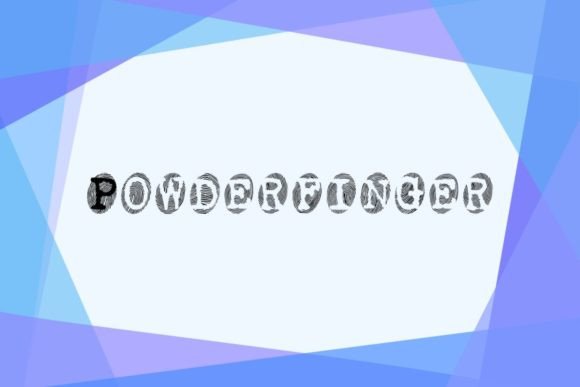
At first glance, Powderfinger presents a blend of influences. It carries the elegance of a serif font with some of the expressive flow you might find in a script font, yet it maintains a structured, readable form. The letterforms have subtle details—slight variations in stroke weight, gentle curves, and distinctive terminals—that give it a handcrafted feel without sacrificing clarity. This isn't a purely handwritten font, nor is it a stark modern typography choice. Instead, it occupies a unique space: a display font with enough personality for headlines and enough legibility for shorter blocks of text.
The font's overall appeal lies in its warmth and approachability. It feels artisanal, slightly vintage, yet contemporary. This balance makes it adaptable. You could use Powderfinger on packaging for a small-batch coffee brand, in the header of a lifestyle blog, or on an invitation to a backyard wedding. Its aesthetic doesn't scream for attention in a garish way; it invites the viewer in with a confident, friendly presence.
Where Powderfinger Truly Shines: Practical Applications
Choosing the right context for a font like Powderfinger is key to maximizing its impact. Here’s a breakdown of where it tends to work best across various projects:
- Branding and Logo Design: For businesses that want to project authenticity, craftsmanship, or a boutique feel, Powderfinger can be a fantastic choice for a wordmark or primary logo. It helps build a brand identity that feels personal and established. Think artisanal bakeries, independent bookstores, craft breweries, or boutique consultancies.
- Editorial and Publishing Design: In editorial design, a creative font like Powderfinger is perfect for chapter titles, pull quotes, or feature article headlines in magazines and books. It adds visual interest and breaks the monotony of standard body text, guiding the reader's eye and enhancing the publication's aesthetic.
- Packaging Design: Packaging is where typography meets the physical world. Powderfinger's distinctive appearance can help a product stand out on a shelf. It works well for labels on bottles, boxes for specialty goods, or tags for handmade items, communicating quality and care.
- Digital and Web Design: Used strategically on the web, Powderfinger can create engaging hero sections, impactful blog post titles, or stylish website headers. Its character helps in establishing a visual hierarchy, making important text elements pop. However, careful testing is needed to ensure it renders well across devices.
- Marketing and Social Media: For social media graphics, flyers, or email headers, Powderfinger can stop the scroll. Its unique style helps content stand out in a crowded feed, making it ideal for announcements, quotes, or promotional material for creative businesses.
The Influence of Typography on Perception and Engagement
A font is never just letters on a page; it's a voice. The typeface you choose directly influences how your audience perceives your message. Powderfinger, with its warm and crafted personality, can shape brand perception in meaningful ways. It suggests a business or creator that values detail, originality, and a human touch. This can foster a stronger emotional connection with your audience, leading to better engagement.
Visual hierarchy is another critical area. By using Powderfinger for your primary headings or key call-to-action phrases, you create an immediate focal point. The eye is naturally drawn to its distinctive form, which can improve the flow of information on a page or screen. This isn't about being the loudest element, but the most intriguing. When paired thoughtfully with a clean sans serif font for body text, it creates a balanced and professional layout that is easy to navigate.
Making It Work: Practical Guidance for Using Powderfinger
Integrating a new font into your workflow requires some practical considerations. Here’s how to approach using Powderfinger effectively:
- Evaluate the Project Fit: Before committing, ask if the font's personality aligns with your project's goals. Powderfinger is excellent for projects needing warmth and character but might not be the best fit for a corporate law firm's annual report or a tech startup aiming for a hyper-minimalist aesthetic.
- Master Font Pairing: The key to using a strong display font is pairing it with a complementary typeface. For body copy, a simple, highly readable sans serif font or a classic, neutral serif font works best. This contrast allows Powderfinger to shine as the headline act without overwhelming the reader.
- Review All Included Styles: A quality premium font often comes with multiple weights, alternates, or stylistic sets. Explore the full character map of Powderfinger. You might find alternate letters or ligatures that add even more flair to specific words or logos.
- Prioritize Readability: While Powderfinger has good legibility for a display font, always test it at the size and in the context you plan to use it. For long paragraphs of text, it's generally best reserved for headlines. On the web, check its loading performance and rendering on different screens.
- Understand the License: As a commercial font, ensure you have the correct license for your intended use—whether for a single client project, a product for sale, or across a whole organization. Respecting the licensing from Apostrophic Labs supports the designers who create these valuable assets.
In the end, Powderfinger is more than just a set of glyphs. It's a design tool that, when used with intention, can help tell your story more effectively. It brings a level of sophistication and personality that generic fonts often lack, making it a worthy addition to any designer's or creator's toolkit for projects that demand a touch of distinction.