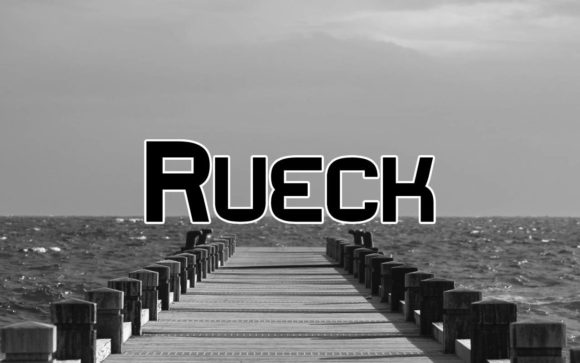
Rueck: Bold, Thick, and Unapologetically Commanding
There are typefaces that whisper, and then there are those that shout from the rooftops. Rueck, designed by Peter Wiegel, is firmly in the latter category. It’s a bold, thick-lettered display font that doesn’t just occupy space—it owns it. If your project needs a voice that’s confident, impactful, and impossible to ignore, Rueck might be the missing piece. This isn’t a font for fine print or lengthy body text; it’s a statement piece for your creative toolkit.
The Visual Personality of Rueck
At first glance, Rueck presents a powerful, geometric structure. Its letterforms are constructed with substantial weight, giving each character a solid, grounded presence. The strokes are uniformly thick, creating a high-contrast look against lighter background elements. This consistency in weight contributes to its modern typography feel, while its slightly condensed proportions add a sense of urgency and efficiency. There’s a subtle industrial quality here, reminiscent of engineered precision, yet it avoids feeling cold or sterile. The terminals and joints are clean and sharp, lending it a professional, polished edge.
What truly defines Rueck’s personality is its unapologetic boldness. It doesn’t seek to blend in; it’s designed to lead. This makes it an exceptional display font—perfect for headlines, titles, logos, and any context where you need to make a strong first impression. Its thick strokes ensure high legibility even at larger sizes or when used sparingly, making it a reliable choice for grabbing attention in crowded visual environments.
Where Rueck Truly Shines: Practical Applications
Understanding a font’s characteristics is one thing; knowing where to deploy it is where the real value lies. Rueck’s strength is in its ability to inject energy and confidence into a wide array of projects.
For brand identity and logo design, Rueck can serve as the cornerstone. It’s particularly effective for brands that want to project strength, innovation, or a forward-thinking ethos. Think tech startups, fitness brands, creative agencies, or any business that wants its name to feel solid and memorable. Paired with a clean sans serif font for body copy, it creates a dynamic and professional hierarchy.
In editorial design and packaging design, Rueck excels as a headline font. It can make magazine covers pop, draw eyes to key articles, and give product packaging a shelf presence that competitors might lack. Its bold nature works wonderfully for call-outs, quotes, or section titles in a book or report, guiding the reader’s eye through the layout.
The digital space is a natural home for this creative font. On websites, use it for hero section headlines, key value propositions, or button text to drive action. In social media graphics, it’s a powerhouse. A single word set in Rueck can anchor an Instagram post, make a YouTube thumbnail stand out, or give a LinkedIn graphic the professional punch it needs. Its clarity ensures your message isn’t lost, even on small screens.
Making Rueck Work For You: A Practical Guide
Adopting a premium font like Rueck into your workflow requires a bit of strategy. Here’s how to approach it effectively.
Evaluate the Project Fit: Before anything else, ask if the project’s tone matches Rueck’s personality. It’s ideal for projects that need to feel bold, confident, modern, or impactful. It might not be the best fit for a traditional law firm’s website or a delicate, whimsical wedding invitation. Context is everything.
Master the Font Pairing: This is crucial. Rueck’s high visual weight means it needs a contrasting partner. Pair it with a lighter, more neutral sans serif font like Open Sans, Lato, or Montserrat for body text. For a more sophisticated look, a clean serif font like Playfair Display or Lora can create an elegant tension. Avoid pairing it with other heavy display fonts or ornate script fonts, as they will compete for attention and create visual chaos.
Test for Readability and Hierarchy: Use Rueck sparingly for maximum impact. Set your main headlines or key phrases in it. Then, use your chosen secondary font for subheadings and body copy. This creates a clear visual hierarchy that guides the viewer effortlessly. Always test your designs at various sizes and on different devices to ensure the bold letterforms remain crisp and legible.
Review the Styles and Licensing: As a commercial font, ensure you understand the license included with your purchase. Does it cover web use, app embedding, or merchandise? Check what weights and styles are included. Rueck’s power comes from its bold weight, but knowing the full range of your design assets helps you plan for future flexibility.
Beyond Aesthetics: The Strategic Impact
Choosing a typeface like Rueck is more than an aesthetic decision; it’s a strategic one that influences how your audience perceives your brand. Consistent use of a distinctive font like this builds brand recognition. When people see that thick, commanding typeface across your website, social media, and print materials, they start to associate it with your identity.
It also affects visual hierarchy and readability in a broader sense. By using Rueck for key messages, you’re not just making them big; you’re giving them a specific tonal weight. This helps organize information and makes your content more digestible, even if the body text is in a standard font. The professionalism it conveys can elevate a small business’s materials to look more established and credible.
Ultimately, fonts like Rueck are about giving your ideas a visual voice. It’s a tool for entrepreneurs, designers, and creators who want their projects to speak with clarity and conviction. When used thoughtfully, it doesn’t just make text look good—it makes your message feel alive and ready to engage its audience. So, if you’re working on a project that needs to be bold, don’t just think about the words—consider the voice that delivers them.