Alexandria Font: Elegance for Modern Design Projects
Understanding the Alexandria Typeface
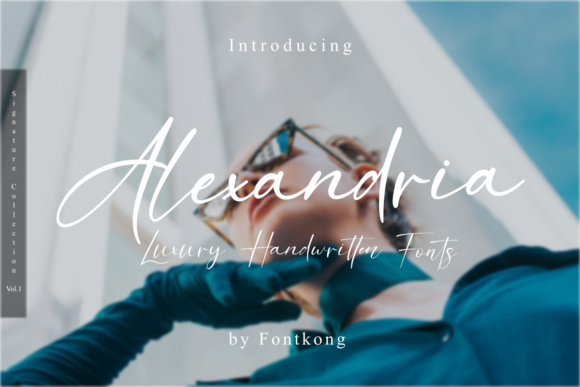
Alexandria stands out as a premium handwritten font that brings a distinct personality to any design. Created by Kong Font Studio, this typeface features elegant, curvy lines that flow naturally across the page. Unlike many script fonts that feel overly casual or difficult to read, Alexandria strikes a balance between sophistication and approachability. The letterforms maintain consistent weight throughout, giving text a polished appearance even at smaller sizes.
What makes this creative font particularly appealing is its versatility. The characters connect smoothly without feeling cramped, and the overall rhythm creates visual harmony. Designers who work with Alexandria often note how it manages to feel both timeless and contemporary—a quality that proves valuable across different industries and project types.
Where Alexandria Truly Shines
Finding the right application for any display font requires understanding its strengths. Alexandria excels in specific contexts where its personality can enhance rather than overwhelm the message.
Branding and Logo Design
Small business owners frequently struggle with creating brand identity elements that feel personal yet professional. Alexandria addresses this challenge effectively. The font works beautifully for boutique brands, artisan products, lifestyle businesses, and service-based companies wanting to convey warmth and authenticity. When incorporated into logo design, it creates immediate recognition while remaining legible across different sizes—from storefront signage to business cards.
Consider pairing Alexandria with a clean sans serif font for body text. This combination allows the handwritten font to capture attention in headlines while maintaining readability in longer passages. Many successful brand identity systems use this approach, letting the script font handle emotional connection while supporting typography handles information delivery.
Packaging Design and Product Labels
Product packaging demands typography that communicates quickly and memorably. Alexandria proves particularly effective for food and beverage labels, cosmetics, artisan goods, and specialty products. The elegant curves suggest quality and craftsmanship—qualities consumers associate with premium offerings.
When selecting this font for packaging design, pay attention to letter spacing and size. Test how Alexandria appears on actual materials before finalizing decisions. What looks perfect on screen might need adjustments when printed on textured paper or applied to curved surfaces. Most professional designers create physical mockups during the evaluation phase.
Editorial and Publishing Applications
Magazine covers, chapter headings, pull quotes, and feature titles benefit from Alexandria's distinctive character. Editorial design often requires fonts that establish mood quickly—readers scan covers and spreads in seconds before deciding whether to engage further. This typeface creates visual interest that draws the eye without sacrificing clarity.
Publishers working on book covers, especially in romance, lifestyle, or memoir categories, find Alexandria particularly useful. The handwritten quality suggests personal storytelling, making it ideal for memoirs, cookbooks, and lifestyle guides. However, avoid using it for body text in longer publications where sustained readability matters most.
Evaluating Project Fit
Before committing to any creative font, experienced designers ask specific questions. Does the project require formality or casual warmth? Who is the target audience? What emotions should the typography evoke? Alexandria answers well when projects call for elegance, personality, and human connection.
This modern typography choice works less effectively for corporate communications, technical documentation, or contexts requiring strict formality. Understanding these boundaries helps professionals make confident decisions rather than forcing a beautiful font into unsuitable situations.
Font Pairing Strategies
Successful font pairing separates good design from great design. Alexandria pairs naturally with several font categories:
- Sans serif fonts like Montserrat, Open Sans, or Lato provide clean contrast
- Light serif fonts such as Playfair Display or Cormorant complement the elegance
- Simple geometric fonts offer modern balance without competing for attention
When testing combinations, create sample layouts using actual project content rather than placeholder text. This reveals how fonts interact with real information and helps identify potential readability issues early in the design process.
Readability and Accessibility
Every display font requires careful attention to readability. Alexandria performs well at larger sizes but demands thoughtful implementation at smaller scales. Web designers should test the font across different devices and screen resolutions. Print designers need to verify legibility on intended paper stocks and printing methods.
Consider your audience's needs carefully. While younger readers might navigate handwritten fonts easily, older audiences or those with visual processing differences benefit from larger sizes and generous spacing. Smart typography balances aesthetic goals with inclusive design principles.
Commercial Licensing and Usage
Professional projects require proper licensing. Alexandria is available through Creative Fabrica, where Kong Font Studio offers commercial licensing options. Always verify that your license covers intended usage—whether that involves social media graphics, merchandise, client projects, or digital products.
Understanding licensing terms protects both designers and clients. Keep records of purchased licenses and note any restrictions that might affect future applications. This practice demonstrates professionalism and prevents complications as projects scale or evolve.
Getting the Most from Alexandria
Successful implementation of any premium font involves more than simply selecting it from a dropdown menu. Take time to explore the included styles and character sets. Many handwritten fonts include alternate letterforms, ligatures, and special characters that enhance visual variety.
Experiment with letter spacing, line height, and contextual alternates. Small adjustments often produce dramatically different results. The curvy lines that define Alexandria respond beautifully to careful spacing adjustments, creating either tighter, more energetic layouts or relaxed, airy compositions depending on project requirements.
Ultimately, Alexandria represents a valuable addition to any designer's toolkit. Its ability to bridge elegance and accessibility makes it suitable for diverse applications across digital and print media. Whether you're developing a new brand identity, designing social media graphics, creating wedding materials, or working on editorial projects, this typeface offers the character and flexibility needed to produce memorable, professional results.