James Darwin: The Playful Script for Modern Brands
When you're building a brand, you're essentially telling a story. The typeface you choose for your logo, packaging, or social media posts is one of the first and most powerful storytellers you have. It sets a mood before a single word is read. If your brand narrative is about approachability, creativity, and a touch of modern flair, you need a font that speaks that language fluently. This is where a creative font like James Darwin enters the conversation. It’s not just letters on a screen; it’s a carefully crafted personality designed to connect.
Understanding the Personality of James Darwin
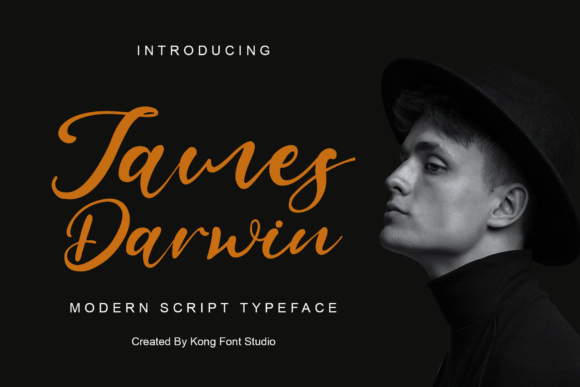
James Darwin is a modern and playful handwritten script font. Let's break that down. The "handwritten" aspect gives it an authentic, human touch. It feels personal, as if a real person just signed a note or sketched out an idea. This immediately builds a layer of trust and relatability that many rigid, geometric sans serif font choices lack. The "script" classification means it flows with connected letterforms, creating a sense of elegance and continuity. But the crucial modifiers here are "modern" and "playful."
Unlike traditional calligraphic scripts that can feel formal or vintage, James Darwin has a contemporary energy. The letterforms are likely optimized for clarity on today's screens, with a rhythm that feels upbeat rather than solemn. It’s the kind of typeface that suggests a brand is innovative, friendly, and doesn't take itself too seriously. Think of the visual difference between a handwritten invitation to a casual brunch versus a formal gala. James Darwin is the brunch invitation—warm, inviting, and full of character.
Where This Script Font Truly Shines
The strength of a display font like James Darwin is in its ability to grab attention and convey a specific vibe. It’s not designed for long paragraphs of body copy, but for making a statement. Its applications are wide-ranging for anyone in the creative space.
- Logo Design and Brand Identity: This is its home turf. James Darwin can form the core of a brand identity for a boutique coffee shop, a handmade jewelry line, a lifestyle blog, or a creative agency. It instantly communicates a brand's unique personality.
- Packaging Design: On product labels for artisanal foods, cosmetics, or craft supplies, this font adds a layer of perceived quality and care. It suggests the product inside was made with attention to detail.
- Editorial Design and Publishing: Use it for chapter titles in a book, magazine headers, or pull quotes in a blog post. It breaks the monotony of standard serif font or sans serif text and draws the reader's eye to key information.
- Marketing and Social Media: In the fast-scrolling world of Instagram or Pinterest, a creative font like James Darwin stops the thumbs. It’s perfect for quote graphics, promotional banners, and story highlights that need to feel personal and engaging.
- Web Design: Used sparingly for hero section headers or call-to-action buttons, it can soften a website's aesthetic and make it feel more welcoming. It pairs exceptionally well with clean, neutral sans serifs for the body text.
- Personal Projects: For crafters and hobbyists, it’s a fantastic design asset. Think custom wedding invitations, personalized stationery, or unique T-shirt printing designs that stand out from generic templates.
Making the Most of a Playful Handwritten Font
Adopting a font with as much personality as James Darwin requires some strategic thinking. Its power lies in contrast and context. Here’s how to use it effectively.
Font Pairing is Everything: Never set a full sentence or a long tagline entirely in a flowing script. It becomes illegible. The golden rule is to pair James Darwin with a simple, highly readable font. A classic sans serif font like Montserrat or Lato creates a beautiful balance—the script provides the flair, and the sans serif provides the clarity. This pairing establishes a clear visual hierarchy, guiding the viewer’s eye from the expressive headline to the informative body copy.
Readability Considerations: While it’s a premium font designed for legibility at display sizes, test it at the scale you intend to use. At very small sizes, the connecting strokes of any script can blur. For digital use, ensure there’s sufficient contrast against the background. For print, consider the material—on textured paper, a slightly larger size might be needed.
Evaluating Project Fit: Ask yourself: does my brand voice match this font’s personality? A law firm or a medical practice would find James Darwin out of place. But a yoga studio, a pet groomer, a children’s book author, or a food blogger? It could be a perfect match. It builds brand perception around being approachable and creative.
Reviewing Included Styles: Check what the font package offers. Does it include stylistic alternates, swashes, or ligatures? These are variations of letters that can add more flair and prevent repetitive letter shapes, making your design look more custom and less like a template. Good modern typography often leverages these features.
Licensing for Your Needs: Since you’re sourcing it from a reputable platform like Creative Fabrica, review the license. For a commercial font, ensure it covers your intended use—whether that’s for a client’s logo, a product you sell, or a website you design. Understanding the license protects you and respects the creator’s work.
Choosing a typeface is a foundational decision in any design project. James Darwin offers a distinct voice: modern, friendly, and unmistakably human. When used thoughtfully, it doesn’t just decorate your message—it becomes an integral part of your brand’s identity, helping you connect with your audience on a more personal level. It’s a tool for telling a better, more engaging story.