Phosporus: A Sans Serif Built for Modern Brand Clarity
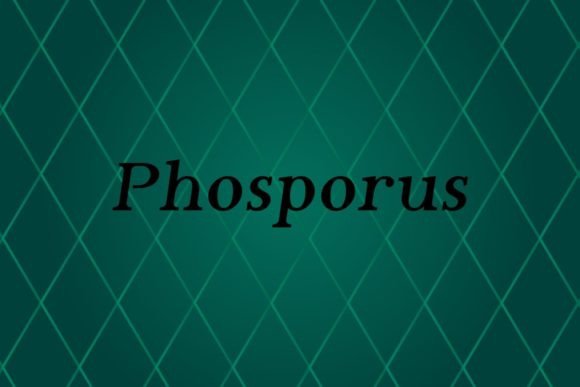
When you’re building a brand or launching a new project, the typeface you choose does more than just display letters. It sets a tone. It communicates a feeling before a single word is read. This is where Phosporus comes in. It’s a sans serif typeface that doesn’t shout, but it speaks with quiet confidence. Think of it as the reliable, versatile foundation for your visual communication.
Created by Apostrophic Labs, Phosporus is a collection of styles designed to offer flexibility. It’s not a single font but a family. This means you can use a lighter weight for body text on a website and a bolder version for headlines in a brochure, all while maintaining a cohesive look. The design itself is clean, with open letterforms and a balanced rhythm. It avoids the extremes of being too geometric or too humanist, landing in a sweet spot that feels both modern and approachable. For anyone from a small business owner designing their first logo to a seasoned designer working on editorial layout, this kind of consistency is invaluable.
Where Phosporus Truly Shines
The strength of a good sans serif font like Phosporus is its chameleon-like ability to fit into different contexts without losing its core identity. It’s a workhorse, but a refined one.
In brand identity and logo design, Phosporus offers clarity. A logo needs to be recognizable at a glance, whether it’s on a business card or a billboard. The straightforward character of this typeface ensures legibility at various scales. For a tech startup, a boutique consultancy, or a sustainable goods brand, it projects professionalism and trustworthiness without feeling cold or corporate. It’s a premium font choice that avoids trendy gimmicks, meaning your brand won’t look dated in a few years.
For editorial design and publishing, readability is king. Phosporus handles long-form text in books, magazines, and reports exceptionally well. Its even spacing and clear letter shapes reduce eye strain, making it a practical choice for both print and digital pages. When you pair it with a complementary serif font for subheadings or pull quotes, you create a clear visual hierarchy that guides the reader’s eye naturally.
The digital world is where its versatility really comes to life. For web design, the font’s clean lines render sharply on screens. It works beautifully for website navigation, body copy, and UI elements like buttons and forms. The multiple weights allow you to establish a typographic system that organizes information effectively, improving user experience. Similarly, for social media graphics, Phosporus provides a consistent look across posts, stories, and ads. Its neutrality lets your message and imagery take center stage.
Don’t overlook its utility in packaging design and physical products. The legibility of Phosporus is a major asset for labels, instructions, and any text that needs to be read quickly. It conveys a sense of modern clarity, which can be perfect for food packaging, cosmetics, or any product aiming for a clean, minimalist aesthetic.
Making Phosporus Work for Your Project
Choosing a font is a practical decision. Here’s how to evaluate if Phosporus is the right fit for what you’re creating.
First, consider your project’s personality. Does it need to feel friendly, authoritative, innovative, or classic? Phosporus leans towards the modern and approachable end of the spectrum. It’s a creative font that provides structure without being rigid. If your project calls for a highly ornate or script-like feel, this might not be the primary choice, but it could serve as an excellent secondary typeface to balance more expressive elements.
Next, test its role. Will it be the primary typeface for all text, or just for headlines? Its strength as a display font is in its clarity and presence, but it also performs admirably at smaller sizes. Always test it with your actual content. Set a paragraph at the size you intend to use and read it on screen and in print. Check the spacing between letters and lines—good typography is in the details.
Exploring font pairing is a crucial step. Phosporus pairs well with a wide range of other fonts. For a classic, professional look, combine it with a traditional serif font. For a more dynamic or editorial feel, try it with a script font or a handwritten font for accents. The key is to create contrast in style but harmony in mood. Since Phosporus is so versatile, it often supports the more distinctive font in a pairing without competing.
Finally, understand the asset you’re getting. Phosporus comes as a collection of styles. Before purchasing or downloading, review what’s included. Do you need a light, regular, medium, bold, and italic? Does the license cover the commercial use you require for your design assets? For entrepreneurs and small business owners, ensuring the license allows for use across all your marketing materials—from your website to printed flyers—is essential for maintaining brand consistency.
In the end, a typeface like Phosporus is a tool. Its value lies in how effectively it solves communication problems for you. It brings a level of professionalism and recognition to a project, not by being flashy, but by being reliably excellent. It’s the kind of sans serif font that earns its place in a designer’s toolkit, ready to be deployed wherever clarity and modern appeal are the goals.