The Enduring Appeal of Casa Sans for Modern Brands
There’s a particular kind of warmth that handwritten fonts bring to a design. It’s the feeling of a personal note, a sketch in the margin, a signature that carries weight and character. In a digital landscape often dominated by clean, geometric precision, this human touch can be a powerful differentiator. That’s the space where Casa Sans operates—a premium font that blends the authenticity of the hand with a clean, contemporary sensibility. It’s not just a script font; it’s a design asset that injects personality directly into your visual language.
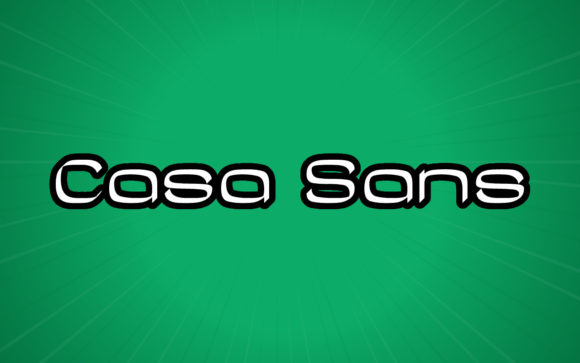
At its core, Casa Sans is a lovely and timeless handwritten font. Its designer, Peter Wiegel, crafted it to be both expressive and remarkably versatile. Each letterform possesses a unique, organic flow, with subtle variations in stroke weight and a natural baseline that mimics the rhythm of actual handwriting. This isn’t a chaotic scrawl, though. The characters maintain excellent legibility, even at smaller sizes, making it far more practical than many purely decorative script fonts. It strikes a rare balance: it feels personal and crafted, yet clean enough for professional applications across digital and print media.
Where Casa Sans Truly Comes Alive
Understanding a font’s personality is one thing; knowing where to deploy it is another. Casa Sans excels in scenarios where you want to capture attention and convey authenticity without sacrificing clarity. Its strength lies in its adaptability across the spectrum of modern creative work.
For logo design and brand identity, this typeface is a standout choice. It’s perfect for brands that want to project approachability, creativity, and a human-centric ethos. Think boutique bakeries, artisan coffee roasters, independent consultants, lifestyle blogs, or eco-friendly product lines. The font’s character helps build immediate brand recognition and fosters an emotional connection that a standard sans serif font might not achieve. When used in a logo, Casa Sans doesn’t just spell out a name—it tells a story.
Beyond logos, its applications in marketing and editorial design are extensive. Use it for impactful headlines on social media graphics, pull quotes in magazines or blog posts, or distinctive chapter titles in book layouts. In packaging design, it can highlight product names or special edition labels, adding a layer of artisanal quality. For web design, it works beautifully for hero section headings, button text, or featured testimonials, guiding the user’s eye with its distinctive style. The key is using it strategically—as a display font for emphasis rather than for long blocks of body copy.
Integrating Casa Sans into Your Design Workflow
Choosing a creative font is just the first step. The real work happens in integration and execution. Here’s how to make Casa Sans work effectively within your projects.
First, evaluate the project fit. Does the brand voice or project tone call for warmth and personality? If you’re designing for a law firm or a financial institution, Casa Sans might not be the primary choice. However, for a yoga studio, a podcast cover, or a handmade jewelry store, it could be the perfect fit. Always consider the audience and the message you need to convey.
Next, master the art of font pairing. A handwritten font rarely works well in isolation. Its strength is amplified when contrasted with a clean, neutral partner. A classic pairing is with a simple sans serif font for body text, which provides stability and readability. For a different feel, you could pair it with a traditional serif font to blend modern typography with classic elegance. The goal is to let Casa Sans be the star of the show for key elements while its partner font handles the supporting role of longer text.
Practical testing is non-negotiable. Before finalizing a design, test the font at various sizes and on different backgrounds. Check its readability in both digital and print mockups. Review the full character set and any included styles—like alternates or ligatures—that can add even more uniqueness to your typographic compositions. Finally, for any commercial project, always verify the commercial font licensing terms. Ensure you have the proper license for your intended use, whether it’s for a client’s logo, product packaging, or a website theme. Using a premium font like Casa Sans correctly is part of professional design practice.
In the end, fonts are tools for communication. Casa Sans is a tool that communicates with a smile, a handshake, and a sense of individuality. It’s for designers, entrepreneurs, and creators who understand that the details of typography shape perception. By thoughtfully incorporating it into your toolkit, you can elevate projects from merely functional to genuinely memorable, building stronger visual identities and more engaging audience experiences. It’s a timeless asset for those who value both beauty and utility in their design work.