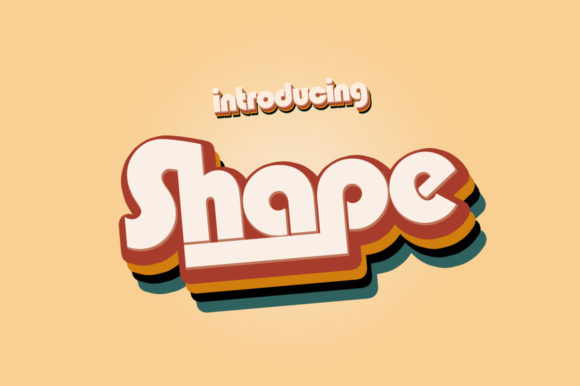
Shape: The Secret Weapon for Polished, Professional Branding
When you're building a brand, every detail matters. The colors you choose, the imagery you curate, and especially the typography that carries your message. Shape is a font built specifically for this kind of work. It's not just another typeface sitting in your design assets folder. It's a purpose-driven premium font crafted for company brand products, advertising, business materials, invitation cards, display work, apparel, and anything else that demands perfectly kerning typography. If you've ever struggled with letter spacing that looks off or fonts that feel inconsistent across different applications, Shape solves that problem at its core.
What Makes Shape Stand Out from the Crowd
Shape brings a modern typography sensibility to every project it touches. The letterforms are clean and intentional, with a geometric foundation that gives the font a sense of structure without feeling rigid. There's a subtle warmth in its curves, which prevents it from coming across as cold or overly corporate. This balance is what makes Shape versatile. It works equally well for a tech startup's logo design as it does for a boutique wedding invitation or a fashion brand's packaging design.
The kerning is where Shape truly shines. Many fonts require manual adjustment to look right, especially at larger sizes used in display settings. Shape arrives with carefully calibrated spacing, so letters sit next to each other with a natural rhythm. This means less time tweaking and more time focusing on the bigger picture of your design. For designers, marketers, and small business owners who don't have hours to spend on micro-typography, this is a real advantage.
Where Shape Fits Best in Real Projects
Let's talk about practical applications. If you're working on editorial design, Shape brings clarity and hierarchy to headlines, subheadings, and pull quotes. It commands attention without shouting, which is exactly what you want when guiding a reader through a magazine spread or a blog layout. For web design, Shape performs well in hero sections, navigation menus, and call-to-action buttons. Its legibility at various screen sizes makes it a reliable choice for responsive layouts.
In the world of social media graphics, standing out is everything. Shape gives your posts a polished, professional look that builds brand recognition over time. When your audience sees consistent typography across your Instagram stories, LinkedIn banners, and Pinterest pins, they start to associate that visual language with your brand identity. That kind of recognition doesn't happen by accident. It happens when you choose a font like Shape and use it deliberately.
Packaging design is another area where Shape excels. Whether you're designing labels for artisanal products, boxes for subscription services, or tags for handmade goods, the font's clean lines and balanced spacing communicate quality. Consumers make snap judgments about products based on packaging, and typography plays a huge role in that first impression. Shape helps you make a confident one.
Choosing the Right Font Pairing with Shape
No font works in isolation. The best designs use thoughtful font pairing to create contrast and visual interest. Shape works beautifully alongside a variety of complementary typefaces. If you're going for a classic, sophisticated look, try pairing Shape with a serif font for body text. The contrast between Shape's structured display style and the organic flow of a serif creates a dynamic hierarchy that feels balanced and readable.
For a more contemporary feel, combine Shape with a clean sans serif font. This pairing works especially well in digital environments where readability at smaller sizes is critical. The sans serif handles the body copy while Shape takes care of headlines, subheadings, and accent text. If your brand leans toward a more expressive, personal tone, consider pairing Shape with a script font or handwritten font for accent elements. Use Shape for the primary messaging and let the script add personality in selective places like signatures, taglines, or decorative callouts.
The key to successful font pairing is restraint. Don't introduce more than two or three typefaces in a single project. Shape is strong enough to anchor a design on its own, so let it do the heavy lifting and bring in complementary fonts sparingly.
Evaluating Whether Shape Is the Right Fit
Before committing to any creative font for a project, it's worth taking a step back and asking a few honest questions. Does the font's personality align with your brand's voice? Shape has a modern, confident character that works well for brands that want to appear approachable yet professional. If your brand leans heavily toward vintage, rustic, or highly ornate aesthetics, you might need to explore other options. But for most contemporary brand identities, Shape is a strong contender.
Test the font in context before finalizing your choice. Drop it into your existing mockups and see how it interacts with your color palette, imagery, and layout. Check how it reads at different sizes, from large display headings down to smaller supporting text. Look at the available styles and weights. A good commercial font should offer enough variety to handle different levels of hierarchy without feeling repetitive.
Licensing is another important consideration. If you're using Shape for client work, merchandise, or products you plan to sell, make sure the licensing covers commercial use. Most premium fonts include clear licensing terms, but it's always worth reviewing the details so there are no surprises down the road.
Building Consistency and Trust Through Typography
Typography is one of the most powerful tools for building brand consistency. When you use Shape across your website, print materials, social media graphics, and packaging, you create a unified visual experience. Customers begin to recognize your brand before they even read the words. That kind of subconscious recognition builds trust, and trust drives engagement, loyalty, and ultimately revenue.
Shape makes this consistency easier to achieve because of its versatility and reliable kerning. You're not fighting the font to make it look good in different contexts. It adapts naturally, whether you're designing a business card, a billboard, or a banner ad. For entrepreneurs and content creators who wear many hats, having a dependable font in your toolkit saves time and elevates the quality of everything you produce.
In a crowded marketplace, the brands that invest in thoughtful design choices are the ones that stand out. Shape isn't just a font. It's a design decision that signals you care about quality, clarity, and the details that make your brand memorable.