Unleash the Force: Using the Death Star Font for Retro Impact
In a distant galaxy far, far away, designers often found themselves limited when searching for that specific, gritty 1980s aesthetic. We have all been there—scrolling through endless libraries of modern typography, looking for a typeface that screams "epic space opera" rather than "corporate annual report." Patience you must have, young Jedi, because the search is over. Enter Death Star, a grotesque display font that channels the raw, geometric energy of the classic sci-fi era. It is not just a font; it is a design asset built for impact, nostalgia, and high-visibility branding.
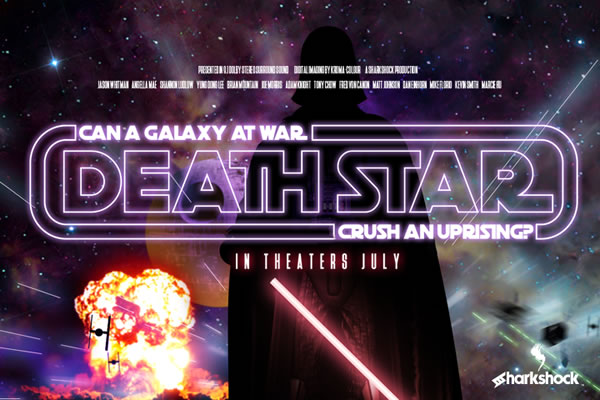
This specific premium font is defined by its all-caps structure. There are no lowercase letters here, which forces a uniformity that works exceptionally well for headlines. Visually, Death Star features geometrically rounded curves and a limited stroke width variation. This gives it a mechanical, industrial feel. It looks like it belongs stamped on the side of a cargo ship or glowing on a 1980s arcade cabinet. For designers and content creators, this means you get an instant retro look without needing complex effects. The personality of this typeface is bold, assertive, and slightly aggressive, making it a powerful tool for grabbing attention in a crowded market.
Practical Applications for Modern Creators
While the inspiration is vintage, the application for this creative font is entirely modern. If you are working on logo design for a tech startup, a gaming channel, or a streetwear brand, the geometric stability of Death Star provides a solid foundation. It communicates strength and reliability while maintaining a cool, edgy vibe. In editorial design, particularly for magazines or blog headers dealing with entertainment, music, or pop culture, this typeface sets the tone immediately. It tells the reader that the content is going to be bold and engaging.
For entrepreneurs and small business owners, the font offers a distinct way to stand out. Consider using it for packaging design where shelf appeal is critical. A hot sauce label, a craft beer can, or a vinyl record sleeve would benefit immensely from the tight kerning and heavy presence of this sans serif font. It is also incredibly effective for social media graphics. In the fast-scrolling environment of Instagram or TikTok, the high contrast and legibility of Death Star ensure your message is read instantly. Whether you are designing merchandise like t-shirts or creating event posters, the font delivers the visual hierarchy needed to separate the headline from the noise.
Mastering Font Pairing and Readability
No typeface is an island, and understanding font pairing is essential to professional design. Because Death Star is a heavy, all-caps display font, it is not suited for body text. You would not want to read a paragraph of this; it would be visually exhausting. Instead, it is best displayed at larger sizes where its tight kerning and rounded geometry can shine. For the body copy, you need to balance the weight. A clean serif font or a humanist sans serif font with plenty of white space works well to contrast the blocky nature of the headline.
The creators of the font suggest pairing it with Deutschlander for an authentic looking movie poster aesthetic. This combination creates a cohesive vintage vibe, perfect for retro-themed projects. However, you can also pair Death Star with a modern, minimalist script font or a handwritten font to create a "high-tech meets human" contrast. This is a popular strategy in brand identity design, where you want the logo to feel established and strong, but the supporting text to feel approachable.
Technical Tips for Best Results
To get the most out of this typeface, you need to look beyond the basic letters. Death Star comes equipped with a number of included alternates and ligatures. These are special character combinations that allow you to customize the look of your text. For example, specific letter pairs might connect in a unique way, or you might swap out a standard "A" for an alternate stylistic version to better fit your layout.
You can take advantage of these features with any program that supports OTF (OpenType) features, such as Adobe Illustrator, InDesign, or Photoshop. These alternates can typically be accessed via the Glyphs panel in these programs. However, there is a technical note to keep in mind: because of the nature of overlapping glyphs, alternates must be selected manually in the Outlines version from the Glyphs panel. This gives you granular control over the design, ensuring that every letter sits perfectly in your composition.
Evaluating Project Fit and Licensing
Before integrating any new design assets into your workflow, it is wise to evaluate the project fit. Ask yourself if the tone of your brand aligns with the 80s sci-fi aesthetic. If your brand identity is soft, organic, or ultra-luxurious, Death Star might be a mismatch. However, if you are aiming for "retro," "industrial," "tech," or "action," it is a perfect candidate.
Finally, always review the licensing terms. Whether you are using this for personal hobby projects or large-scale commercial distribution, ensure you have the correct license. This protects you legally and ensures the font creator is compensated for their work. By treating typography as a serious component of your design strategy rather than an afterthought, you elevate the professionalism of your final product.