Black Bunny: A Modern Blackletter for Bold Brands
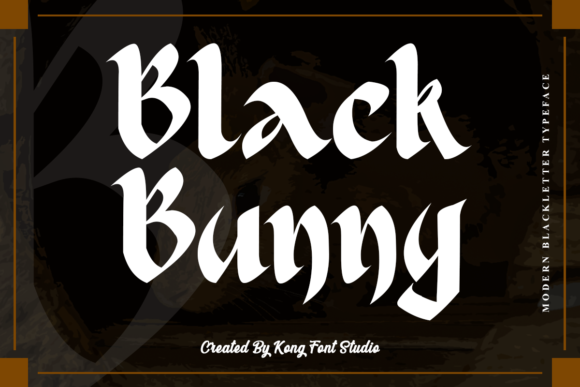
There's a certain weight to blackletter typography. It carries history, tradition, and an undeniable presence. For a long time, though, blackletter fonts felt stuck in the past—ornate, difficult to read, and best suited for historical documents or tattoo parlors. Black Bunny changes that. Created by Kong Font Studio, this modern blackletter typeface takes the structural bones of traditional lettering and strips away the excess, leaving behind something sharp, cool, and surprisingly versatile.
If you've ever wanted the drama of blackletter without the stuffiness, Black Bunny deserves a closer look. It bridges the gap between old-world craftsmanship and contemporary design sensibility, making it accessible for projects that need to feel both rooted and relevant.
What Makes Black Bunny Different
Black Bunny isn't your grandfather's Fraktur. The letterforms are cleaner, with less ornamentation and more geometric precision. Where traditional blackletter fonts can feel heavy and cluttered, Black Bunny maintains a sense of openness. The strokes have consistent weight, the negative space is managed thoughtfully, and the overall impression is one of controlled intensity rather than decorative excess.
The personality of this typeface sits somewhere between streetwear branding and boutique editorial. It's confident without being aggressive. There's a modern minimalism baked into its design that lets it work in contexts where a traditional blackletter would feel out of place. Think album covers, craft brewery labels, fashion lookbooks, and premium product packaging. Black Bunny carries the visual authority of blackletter tradition while speaking the language of contemporary design.
As a premium font, it also comes with the kind of polish that matters when you're building something professional. The letter spacing has been carefully considered, and the overall rhythm of the typeface holds together at various sizes. This isn't a font that was thrown together overnight. The attention to detail from Kong Font Studio shows in the final product.
Where Black Bunny Shines Brightest
Every typeface has a sweet spot—a set of applications where it really comes alive. Black Bunny excels in situations where you need a display font that commands attention without overwhelming the rest of your design. Here's where it tends to work best:
- Logo design and brand identity: If you're building a brand that needs to feel edgy, modern, and distinctive, Black Bunny can serve as the foundation of your visual identity. It works particularly well for brands in fashion, music, streetwear, artisanal goods, and creative services. The typeface gives you instant differentiation from the sea of sans serif font and script font logos that dominate those spaces.
- Packaging design: On product labels, boxes, and bags, Black Bunny creates immediate shelf presence. It's especially effective for brands that want to convey craftsmanship, authenticity, or a rebellious spirit. Pair it with clean product photography and a restrained color palette for maximum impact.
- Social media graphics: Bold typography performs well on platforms like Instagram and Pinterest, where you have roughly two seconds to stop someone from scrolling. Black Bunny's distinctive letterforms cut through visual noise and make your posts recognizable in a crowded feed.
- Editorial design: Magazine covers, book titles, and feature headlines benefit from typefaces that set a mood quickly. Black Bunny works well for publications covering culture, art, music, or lifestyle topics where the visual tone needs to feel curated and intentional.
- Event materials and merchandise: From concert posters to limited-edition merchandise, Black Bunny brings an energy that feels appropriate for creative events and products. It's the kind of font that looks as good on a screen-printed t-shirt as it does on a digital invitation.
The font also plays well with crafters and hobbyists using tools like Photoshop and Silhouette Design Studio. If you're creating custom vinyl decals, heat transfers, or handmade cards, Black Bunny offers a level of sophistication that elevates DIY projects into something that looks genuinely professional.
Making Smart Decisions with Black Bunny
Choosing a font is only half the equation. Knowing how to use it effectively is what separates good design from great design. Here are some practical considerations for working with Black Bunny:
Readability Comes First
Blackletter fonts, even modern ones like Black Bunny, aren't designed for long-form body text. That's not a flaw—it's a feature. Use Black Bunny for headlines, titles, logos, and short phrases where visual impact matters more than extended readability. For body copy, pair it with a clean serif font or sans serif font that handles paragraphs with ease. This contrast creates a natural visual hierarchy that guides readers through your content without sacrificing style.
Test Your Font Pairings
Speaking of pairing, Black Bunny works surprisingly well alongside a range of typefaces. A geometric sans serif like Montserrat or Futura creates a modern, balanced contrast. A traditional serif like Garamond or Baskerville adds an unexpected elegance. Even a simple handwritten font can complement Black Bunny's structured forms with an organic, personal touch. The key is to let Black Bunny do the heavy lifting visually while its partner handles the supporting role quietly.
Understand the Licensing
Before using Black Bunny in any commercial project, review the licensing terms available through Creative Fabrica. Commercial licensing matters whether you're designing client work, selling products with the font embedded, or using it in marketing materials for your business. The terms are straightforward, but taking five minutes to read them now saves potential headaches later.
Consider the Context
Not every project calls for a blackletter font. Black Bunny's personality is distinctive, and that's both its strength and its limitation. For a law firm's website, it probably isn't the right choice. For a craft distillery's bottle label or a streetwear brand's drop campaign, it's almost perfect. Think about your audience, your industry, and the emotional response you want to create. When the context aligns, Black Bunny doesn't just set the tone—it becomes part of the brand's story.
Review What's Included
Take time to explore the full character set and any alternate styles that come with the font. Understanding what's available helps you make the most of the typeface and avoid situations where you need a glyph or style variant that isn't there. Good design assets are only valuable when you know how to use them fully.
Building Brand Recognition with Intentional Typography
Typography is one of the most powerful tools in brand identity design, yet it's often treated as an afterthought. The fonts you choose communicate values, set expectations, and create emotional connections before a single word is read. Black Bunny, used thoughtfully, can become a recognizable brand element—something your audience associates with your work the moment they see it.
Consistency is the engine of recognition. When you use the same typeface across your website, social media, packaging, and print materials, you're building a visual system that people learn to trust. Black Bunny's distinctive character makes this especially effective because it's memorable without being gimmicky. It stands out in a stack of business cards, holds its own on a website header, and translates well across both digital and print formats.
For entrepreneurs and small business owners, investing in a creative font like Black Bunny is a relatively small decision that can have an outsized impact on how your brand is perceived. It signals that you care about the details, that you've made intentional choices, and that your brand has a point of view. In a marketplace crowded with default fonts and generic templates, that kind of intentionality goes a long way.
Whether you're a designer building a client's brand identity, a crafter selling handmade goods, or a content creator developing a signature visual style, Black Bunny offers a fresh take on a classic tradition. It's proof that modern typography doesn't have to choose between heritage and innovation. Sometimes, the best design decisions are the ones that honor both.