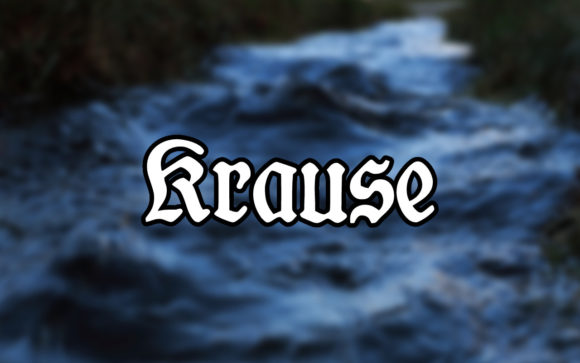
Krause: A Modern Take on Blackletter Style
Blackletter fonts have a reputation. They often evoke a sense of old-world tradition, medieval manuscripts, or heavy metal band logos. While those associations are valid, they can sometimes limit how designers approach this historic category of type. This is where a font like Krause comes in. Designed by Peter Wiegel, it offers a distinct interpretation of the blackletter style, one that feels both rooted in history and surprisingly adaptable to contemporary design needs. If you've ever been curious about blackletter but hesitant to use it, Krause might be the perfect entry point.
Understanding Krause's Unique Character
At its core, Krause is a premium font that reimagines the blackletter aesthetic. It doesn't just mimic the dense, spiky forms of Fraktur or Textura. Instead, Wiegel has crafted characters with a unique personality. The letterforms possess a certain fluidity and originality that set them apart. You'll notice distinct curves and terminals that give it a more approachable, almost artistic quality compared to its more rigid historical counterparts. This isn't a font trying to be a historical replica; it's a creative interpretation that prioritizes visual interest and versatility.
Think of it this way: traditional blackletter can feel like a heavy oak door. Krause is more like a beautifully wrought iron gate—intricate and strong, but with an openness that invites you in. Its visual style is bold and commanding, making it an excellent choice for projects that need to make a strong first impression. The personality of the typeface is confident and slightly artistic, lending a touch of sophistication without feeling overly formal or archaic.
Where Krause Truly Shines: Practical Applications
The real value of any creative font lies in its application. Where does Krause fit into a modern designer's toolkit? Its strengths lie in contexts where you need impact, character, and a touch of the unexpected. It excels as a display font, meaning it's best suited for headlines, logos, and short bursts of text where its detailed personality can be fully appreciated.
Consider these practical uses for Krause in your projects:
- Brand Identity & Logo Design: For brands in the craft beer, artisanal food, tattoo, or bespoke craftsmanship spaces, Krause can form the cornerstone of a powerful brand identity. A logo set in Krause immediately communicates authenticity, skill, and a respect for tradition with a modern edge.
- Editorial & Packaging Design: Use it for chapter titles in a book, the masthead of a specialty magazine, or the name of a product on packaging design. It creates a strong focal point that draws the eye and suggests quality and care.
- Web & Social Media Graphics: In a sea of minimalist sans-serifs, a heading set in Krause on a website or a bold title on an Instagram post can stop the scroll. It adds instant visual hierarchy and personality to web design and social media content.
- Personal & Craft Projects: Because it's PUA encoded, accessing all its special characters and swashes is simple, even in basic design software. This makes it a fantastic asset for crafters creating custom signs, apparel, or invitations.
Making Krause Work: Pairing and Practicality
Using a strong display font like Krause effectively requires some thought, particularly when it comes to font pairing. Its ornate nature means it demands a simpler companion for body text. Trying to pair it with another complex serif font or a busy script font would create visual chaos.
The best approach is contrast. Pair Krause with a clean, highly legible sans serif font for your paragraphs, product descriptions, or supporting information. Fonts like Open Sans, Lato, or Roboto provide a neutral backdrop that allows Krause's headlines to take center stage without competition. This pairing strategy creates a clear visual hierarchy, guiding your reader's eye from the impactful headline to the easy-to-read body text. This balance is key to maintaining professionalism and ensuring your message is communicated clearly.
A Note on Readability and Licensing
While Krause is highly legible for a blackletter font at larger sizes, it's crucial to remember its nature. Avoid using it for long paragraphs or small text on screens, as the intricate details can become muddy and reduce readability. Always test it at the intended size and on various devices for digital projects, and on the actual paper stock for print work.
Before purchasing any commercial font, always review the license. Krause, like other quality design assets from foundries like Peter Wiegel's, comes with specific terms for commercial use. Ensure the license covers your intended applications, whether for a client's brand, merchandise, or digital products. Investing in a properly licensed font is a mark of a professional and protects you from legal issues down the line.
In a design landscape often dominated by geometric sans-serifs and neutral serifs, Krause offers a compelling alternative. It provides a bridge between the rich history of typography and the demands of modern typography