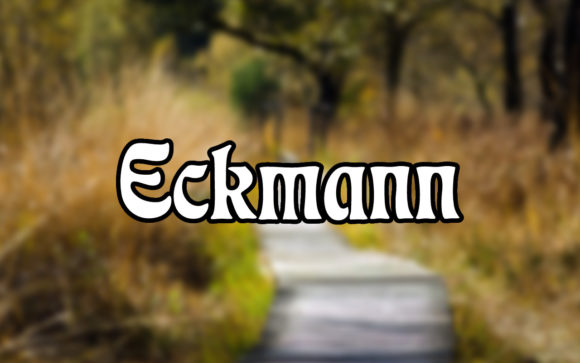
Eckmann: The Serif Font That Bridges Classic and Creative
You've likely seen typefaces that feel either too traditional or too starkly modern. Eckmann, a premium font designed by Peter Wiegel, occupies a compelling middle ground. It's a serif font with undeniable classical roots, yet its character shapes possess a warmth and subtle flair that prevent it from feeling stuffy or overly formal. The letterforms are beautifully balanced, with a rhythm that guides the eye smoothly across a line of text. This isn't just another display font; it's a versatile creative tool with genuine personality.
A Typeface with Quiet Confidence
What makes Eckmann stand out in a crowded field of serif fonts? It’s the thoughtful details. The serifs are present and grounding, but they’re not aggressively sharp. The strokes have a gentle contrast, offering elegance without sacrificing readability at reasonable sizes. There’s a humanist quality to its construction—it feels crafted rather than generated. This gives it an approachable authority, making it suitable for projects where you need to convey trustworthiness and quality without appearing cold or impersonal.
Think of Eckmann as the sophisticated yet friendly voice in your typographic toolkit. It carries the weight of a traditional serif for body text in editorial design or long-form reading, but its distinct character allows it to shine in headlines and branding applications. It’s the kind of typeface that adds a layer of polish to a design, subtly influencing how an audience perceives the message. It suggests reliability, taste, and attention to detail.
Where Eckmann Truly Comes Alive
The real test of any font is its application. Eckmann’s balanced nature makes it surprisingly adaptable. Here’s where it can add significant value to your projects:
- Brand Identity & Logo Design: For brands aiming for a timeless yet distinctive look, Eckmann is a strong candidate. It works beautifully for logos in the lifestyle, artisanal, publishing, or boutique service sectors. It avoids the clichés of both overly ornate scripts and cold, geometric sans serifs, helping a brand stand out with mature elegance.
- Editorial & Publishing: This is where Eckmann’s readability as a serif font shines. Use it for book covers, chapter headings, magazine titles, and pull quotes. Its clear personality helps establish a visual hierarchy on the page, making layouts more dynamic and engaging for readers.
- Packaging & Product Design: On physical products, from gourmet food labels to skincare packaging, Eckmann communicates premium quality. Its classic appeal suggests craftsmanship and care, aligning perfectly with brands that tell a story of origin or meticulous process.
- Digital & Web Design: In the digital realm, Eckmann can elevate website headers, blog post titles, and social media graphics. When paired with a clean sans serif font for body text, it creates a professional and visually interesting contrast. Remember to test its readability on various screens and at smaller sizes for UI elements.
- Personal & Creative Projects: For wedding invitations, event programs, or personal branding materials, Eckmann offers a touch of sophistication. It’s a creative font that can make your most personal projects feel polished and intentional without looking like a generic template.
Making the Right Typographic Choice
Choosing a font like Eckmann is a strategic decision. Start by defining your project’s core message. Are you aiming for heritage, modern elegance, or approachable sophistication? Eckmann leans into the latter two. Evaluate its fit by setting sample text in your key headlines and body copy. Does it feel right for your content’s tone?
A crucial step in modern typography is font pairing. Eckmann, with its serif structure, often pairs exceptionally well with a sans serif font for contrast. Try it with a geometric or humanist sans serif for body text to let Eckmann’s headings stand out. You might also experiment with a subtle script font or handwritten font for accent text, but use these sparingly to avoid visual clutter.
Review the full font family or styles included with your purchase. Does it offer italics, different weights, or small caps? These variations are essential design assets for creating a full and flexible typographic system for your brand identity. Finally, always check the licensing. For commercial use—whether for a client’s logo, your online store, or marketing materials—ensure you have the correct commercial font license. Peter Wiegel’s work, including Eckmann, is often available under open-source or affordable licensing, making high-quality typography accessible.
In the end, the best way to know if a typeface works is to use it. Download Eckmann, experiment with it in your next design mockup, and observe how it influences the overall feel. You might find that its balanced, well-crafted characters are exactly what your creative ideas need to come alive with clarity and style.